Key Highlights
-
Discover what is the best way to see Vietnam with a beginner’s guide covering everything from top destinations to essential preparations.
-
Explore a comprehensive Vietnam itinerary that takes you from the bustling streets of Ho Chi Minh City to the serene beauty of Ha Long Bay.
-
Understand the country’s diverse geography, from the rice fields of Northern Vietnam to the winding waterways of the Mekong Delta in the South.
-
Get tips on the best time to visit, whether you’re looking for sunny beaches in Central Vietnam or vibrant festival seasons.
-
Learn how to navigate your trip, including transportation options, visa requirements, and budgeting for your adventure.
-
Taste your way through the country with recommendations for incredible street food experiences and must-try local dishes.
Introduction
Are you dreaming of an unforgettable trip to Southeast Asia? Vietnam, with its rich history, stunning landscapes, and mouth-watering cuisine, might be the perfect destination for you. This guide is designed to help you plan the ultimate Vietnam travel adventure, whether you have one, two or three weeks. From the vibrant energy of Ho Chi Minh City to the tranquil beauty of the countryside, putting together your Vietnam itinerary is the first step toward an amazing journey. Let’s get you started on planning a trip you’ll never forget.
Understanding Vietnam as a Travel Destination
Vietnam is a country of incredible contrasts, offering something for every type of traveller. From the bustling cities to the serene countryside, the nation’s identity is shaped by its diverse geography and rich cultural heritage. You’ll find lush rice paddies, dramatic limestone karsts, and pristine beaches stretching along its extensive coastline.
Exploring the country reveals distinct regional characteristics, with South Vietnam, Central Vietnam, and the north each offering unique experiences. Understanding these differences is key to planning your perfect trip. Let’s look at the geographical and cultural highlights that make this country so special.
Geographical Highlights of Vietnam
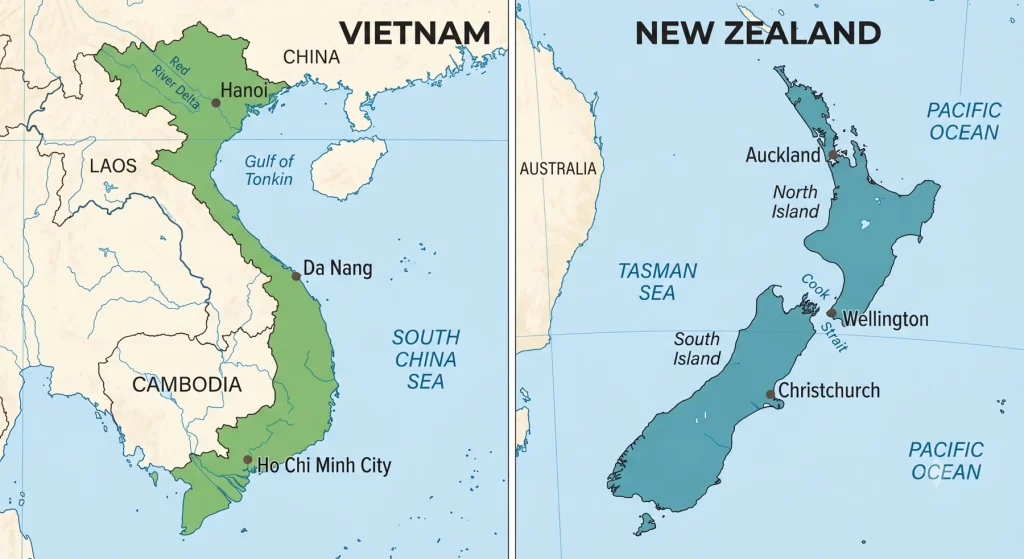
Vietnam’s geography is as diverse as its culture, stretching over 1,650 kilometres from north to south (just longer than NZ’s North and South Islands combined). Likewise, much like New Zealand, the landscape changes dramatically as you travel through the country. In Northern Vietnam, you will find rugged highlands, majestic mountains, and iconic terraced rice fields that create breathtaking vistas, especially in areas like Sapa. This region is a paradise for trekkers and nature lovers.
Moving to Central Vietnam, the country narrows, revealing a stunning coastline with white-sand beaches near cities like Hoi An. This area is perfect for those who want to combine cultural exploration with beach relaxation. Further inland, you’ll find the historic imperial city of Hue, surrounded by lush hills and the Perfume River.
In the south, the landscape is dominated by the vast Mekong Delta, a maze of rivers, swamps, and islands. This “rice bowl” of Vietnam is incredibly fertile, with floating markets and villages that offer a unique glimpse into riverine life. Exploring this network of waterways by boat is an essential Vietnamese experience if time allows.
Cultural Diversity and Heritage

Vietnam’s culture is a rich tapestry woven from centuries of history, regional traditions, and influences from neighbouring countries. You can absolutely experience both its culture and stunning nature in a single trip. The country boasts multiple UNESCO World Heritage Sites that showcase its historical significance. For instance, the ancient town of Hoi An offers a beautifully preserved example of a Southeast Asian trading port.
History enthusiasts will be fascinated by sites related to the Nguyen dynasty and the Vietnam War, including the beautiful Notre Dame Cathedral and the Imperial City in Hue, which provides a glimpse into the lives of past emperors, with its grand palaces and temples. Meanwhile, sites like the Cu Chi Tunnels near Ho Chi Minh City offer a poignant look at the resilience and ingenuity of the Vietnamese people during the war.
Beyond the historical landmarks, you’ll encounter a vibrant living culture. From the 54 recognized ethnic groups, each with its own customs and traditions, to the bustling street life in the cities, Vietnam’s cultural diversity is evident everywhere. This blend of ancient heritage and modern energy makes it a truly captivating destination.
Popular Travel Seasons in Vietnam
Choosing the best time to visit Vietnam depends heavily on where you want to go and what you want to do. The country’s elongated shape means the weather can vary significantly from one region to another. Generally, the spring months of March and April are considered ideal for travelling the entire country, offering pleasant weather and clear skies.
The popular festival seasons, like Tet (Vietnamese New Year, which occurs between 20 Jan – 20 Feb as it’s based on the lunar calendar), offer a unique cultural experience, but they also come with higher prices and limited accommodation. If you travel during these times, plan well in advance. For those interested in the famous rice fields, the harvest season in Sapa between August and September is a spectacular time to witness the vibrant golden terraces.
No matter when you visit, you’ll find that Vietnam’s famous street food culture is always in full swing, especially around Bui Vien. However, avoiding the stormy seasons in the north (May to October) and central regions (September to December) is a good travel tip, as heavy rains can cause flooding and disrupt travel plans.
Choosing the Right Time to Visit Vietnam

Pinpointing the best time for your Vietnamese adventure is crucial for a smooth and enjoyable trip. Due to its length, Vietnam experiences different weather patterns simultaneously across its regions. The ideal season for you will depend on whether you’re dreaming of trekking through lush rice fields or relaxing on the sunny beaches of Central Vietnam.
Generally, spring and autumn offer the most pleasant weather country-wide. However, if you have specific destinations in mind, it’s worth looking at the regional climates more closely. Let’s examine the weather patterns, festival seasons, and best months for first-timers to help you decide.
Weather Patterns Across Regions
Understanding Vietnam’s diverse climate is key to planning your trip. The country is divided into three distinct weather zones. Overall, you’ll catch better weather if you travel between mid November to April.
In the north, rainfall occurs from about April to October in the north.
In Central Vietnam, the rainy season is generally between June to October.
The monsoon and typhoon seasons impact different regions at different times of the year. In 2025, six typhoons hit central and/or northern Vietnam between June to November. While in 2024, there was one typhoon that impacted the north in September and one that hit central Vietnam in October. Back in 2023, there were 3 typhoons between July and October hitting the central and northern regions.
In Southern Vietnam, including Ho Chi Minh City and the Mekong Delta, the dry season from November to April is ideal. The rains from the preceding months ensure the rivers and channels of the delta are full, making for smooth and scenic boat travel through the waterways.
Deciding Where to Start Your Vietnam Journey
Your Vietnamese adventure can begin in either the north, the centre or the south, as Hanoi (north), Danang (central), and Ho Chi Minh City (south) have international airports. The choice of where to start often depends on your travel style and what you want to see first. Starting in Hanoi offers a more traditional and historic entry point, while Ho Chi Minh City (Saigon) immerses you in a modern, bustling metropolis centred around the city centre. Danang can work if your main focus is to see the centre, the north or the south.
Deciding on your entry point will shape the flow of your itinerary. Are you looking to ease into your trip with ancient temples and serene lakes, or do you prefer to jump right into the vibrant energy of a sprawling city? Let’s explore the benefits of starting in the north versus the south.
Starting in the North: Hanoi and Beyond

Beginning your journey in Hanoi, the capital of Vietnam, provides a fantastic introduction to Vietnam’s rich culture and history. The capital city is more traditional and relaxed compared to its southern counterpart. You can spend your first few days wandering the charming Old Quarter, sipping on a famous egg coffee, and taking a leisurely stroll around the picturesque Hoan Kiem Lake.
From Hanoi, you have easy access to some of Northern Vietnam’s most iconic destinations, including the Sapa region. A trip to the breathtaking Ha Long Bay is a must-do, where you can take an overnight cruise through thousands of limestone karsts. The mountainous region of Sapa, with its stunning rice terraces and diverse ethnic communities, is also just a train or bus ride away.
Starting in the north allows you to ease into the country’s rhythm before heading south. This route lets you experience the historical and natural wonders first, setting a beautiful tone for the rest of your travels through Vietnam. It’s a great choice if you prefer a more cultural and scenic start to your adventure.
Starting in the South: Ho Chi Minh City and Surroundings
If you thrive on energy and excitement, starting your trip in Ho Chi Minh City is an excellent choice. Still fondly called Saigon by many locals, this city is a bustling, modern hub that showcases Vietnam’s dynamic future. You can dive straight into the action by exploring its vibrant street life, historical landmarks, and incredible food scene, before heading to nearby Ba Na Hills for more adventures.
From Ho Chi Minh City, you are perfectly positioned to explore the fascinating south. A day trip to the Cu Chi Tunnels, built by the Viet Cong, offers a powerful lesson in Vietnam’s wartime history. You can also easily access the magnificent Mekong Delta, where you can take a boat trip to explore floating markets and experience the region’s unique river-based lifestyle.
Choosing to start in the south means you begin with a high-energy experience and then travel north into more historical and scenic regions. This route can feel like a journey back in time, as you move from the modern metropolis of Saigon to the ancient capital of Hue and the traditional charm of Hanoi.
Factors to Consider When Planning Your Route
When planning your route, your travel interests and the amount of time you have are the most important factors. If you’re passionate about history and culture, you might want to allocate more time to exploring the ancient town of Hoi An or the imperial city of Hue. If nature and adventure are your priorities, you could focus on areas like Ninh Binh or the northern mountains.
Transportation options will also influence your itinerary. Domestic flights are the fastest way to cover long distances, although some people opt to take the train, particularly if they want to experience a sleeper train between central and north Vietnam.
Consider these points when planning your route:
-
Travel Pace: Do you prefer to see a lot quickly, or do you like to immerse yourself in a few key locations? This will determine how many stops you can realistically make.
-
Interests: Prioritise destinations that align with your interests. A foodie might plan around market visits and cooking classes, while a history buff will focus on historical sites.
Must-Visit Destinations for Beginners
For first-time visitors, Vietnam offers a wealth of incredible destinations that can feel overwhelming to choose from. The key is to focus on a mix of highlights that showcase the country’s diversity. From the emerald waters of Ha Long Bay to the lantern-lit streets of Hoi An, there are some places that truly capture the essence of Vietnam.
We’ve compiled a list of the best places for beginners, broken down by region. These destinations offer a perfect blend of culture, history, and natural beauty, ensuring your first trip is an unforgettable one. From the northern highlands to the southern delta, here are the spots you won’t want to miss.
Northern Vietnam: Hanoi, Sapa, and Ha Long Bay
The capital, Hanoi, is a city of contrasts, where you can explore the bustling, narrow streets of the Old Quarter one moment and visit the solemn Ho Chi Minh Mausoleum surrounded by elegant colonial buildings the next. It’s a city that perfectly blends historic charm with a vibrant, modern energy.
A 2 to 3 hour road trip from Hanoi will take you to Ha Long Bay and Lan Ha Bay, a UNESCO World Heritage site known for its stunning limestone karsts rising from emerald waters. An overnight cruise is the best way to experience its mystical beauty, allowing you to kayak, swim, and wake up to breathtaking views. It’s an iconic Vietnamese experience that should not be missed.
For those seeking adventure and dramatic landscapes, Sapa and Ha Giang are the ultimate destinations. Located in the northwestern mountains, this region is famous for its incredible rice terraces and the diverse cultures of its local ethnic groups. Hiking through the hills and staying in a local homestay provides a deeply rewarding and authentic experience.
Central Vietnam: Hoi and and Hue

Central Vietnam is the historical heart of the country, home to ancient capitals and beautifully preserved towns. Hue, the former imperial capital, is a must-visit for history buffs. Here, you can explore the magnificent Imperial City, a vast complex of palaces, temples, and gardens, including the impressive Imperial Citadel, as well as the elaborate royal tombs of the Nguyen emperors scattered along the Perfume River.
The real gem of Central Vietnam is the enchanting ancient town of Hoi An. Its lantern-lit streets, traditional merchant houses, and bustling night market create a magical atmosphere. You can spend days wandering its charming alleys, getting clothes tailor-made, or taking a cooking class to learn the secrets of Vietnamese cuisine. The golden sand beach is just a couple of kilometres away. You can choose to stay at a beach resort, a river resort or in Hoi An town.
Southern Vietnam: Ho Chi Minh City, Mekong Delta, and Phu Quoc
Southern Vietnam offers a dynamic mix of bustling city life, lush river landscapes, and tropical island escapes. The journey often begins in Ho Chi Minh City, a vibrant metropolis that pulses with energy. Here, you can explore historical sites like the Reunification Palace and the War Remnants Museum, or get a history lesson underground at the Cu Chi Tunnels, and then continue your adventure to Can Tho in the Mekong Delta.
A trip to the south wouldn’t be complete without exploring the Mekong Delta, if time permits. This vast network of rivers, canals, and islands is the agricultural heartland of Vietnam.
For those seeking relaxation, the island of Phu Quoc is a tropical paradise. With its pristine beaches, clear waters, and lush national park, it’s the perfect place to unwind after a busy trip. Whether you’re looking for adventure or tranquility, Phu Quoc offers a beautiful end to your Vietnamese journey.
Hidden Gems and Off-the-Beaten-Path Spots
While the main tourist spots are popular for a reason, Vietnam has plenty of hidden gems for those willing to venture off the beaten path. These lesser-known destinations offer a more authentic and tranquil experience, away from the crowds. Exploring these spots can be the highlight of your trip.
One such area is the Ha Giang Loop in the far north, a spectacular motorbike journey through some of Vietnam’s most dramatic mountain scenery. Closer to Hanoi, the Trang An Landscape Complex, often called “Ha Long Bay on land,” offers stunning boat trips through caves and past temples like the Bich Dong Pagoda. Climbing the steps at Mua Cave will reward you with panoramic views.
How Long to Spend in Vietnam
Deciding on the length of your Vietnam itinerary is a key part of the planning process. While you could spend months exploring this fascinating country, most first-time visitors find that two weeks is a good amount of time to see the main highlights without feeling too rushed. This allows you to travel from north to south and experience the diverse regions.
Ultimately, the best way to determine your trip length is to consider your interests, budget, and travel style. Whether you have one, two, or three weeks, you can create a memorable journey. Let’s look at some typical itineraries and how to adjust them to fit your personal preferences.
Typical Itineraries: One, Two, and Three Weeks
Crafting the perfect Vietnam itinerary depends on how much time you have. A one-week trip usually focuses on a single region, either the north (Hanoi and Ha Long Bay) or the south (Ho Chi Minh City and the Mekong Delta). This allows for a more immersive experience without wasting time on travel.
A two-week itinerary is ideal for first-timers, as it allows you to see the highlights of all three regions. You can fly into Hanoi, travel down through Central Vietnam – Hoi An and possibly Hue, and fly out of Ho Chi Minh City. This timeframe gives you enough space to enjoy each location, including an overnight cruise in Ha Long Bay, without feeling rushed.
With three weeks or more, you can explore at a more relaxed pace and venture off the beaten path. This could mean adding destinations like Sapa in the north, the beaches of Mui Ne, or spending more time in the Mekong Delta.
|
Duration |
Sample Vietnam Itinerary |
|---|---|
|
1 Week |
North Focus: Hanoi (3 days), Ha Long Bay Cruise (2 days), Day trip to Ninh Binh (1 day) |
|
2 Weeks |
North to South: Hanoi (3 days), Ha Long Bay (2 days), Hue (2 days), Hoi An (3 days), Ho Chi Minh City(3 days) |
|
3 Weeks |
In-Depth Exploration: Sapa (2 days), Hanoi (2 days), Ha Long Bay (2 days), Hue (2 days), Hoi An (4 days), Ho Chi Minh City (3 days), Mekong Delta (3 days), Phu Quoc (3 days) |
Adjusting Your Trip Length to Your Interests
The best Vietnam trip is one that is tailored to your personal passions. Don’t feel pressured to follow a standard itinerary if it doesn’t excite you. Instead, think about what you want to get out of your travels and adjust your trip length and focus accordingly. This will make your adventure much more rewarding.
For example, if you’re a foodie, you might want to extend your time in cities like Hanoi and Hoi An to take a cooking class, explore markets, and sample as much street food as possible. If you’re an adventure seeker, you could add extra days for trekking in Sapa or kitesurfing in Mui Ne.
To help you plan, consider these interest-based adjustments:

-
Food Lovers: Add extra days in Hanoi, Hoi An, and Ho Chi Minh City for food tours and cooking classes.
-
History Buffs: Allocate more time in Hue to explore the Imperial City and royal tombs, and in Ho Chi Minh City for war-related sites.
-
Nature and Adventure Enthusiasts: Plan for longer stays in areas like Sapa, Ha Giang, or Phong Nha-Ke Bang National Park to fully experience the outdoors and local life.
What You Need to Get Started: Essential Preparations
Before you can immerse yourself in the sights and sounds of Vietnam, there are a few essential preparations you need to take care of.
Visas and Entry Requirements for New Zealand Travellers
For travellers from New Zealand, securing a Vietnam visa is a crucial first step in planning your trip. Unlike some nationalities, New Zealand citizens require a visa to enter Vietnam for tourism purposes. Fortunately, the process is straightforward, and there are a couple of convenient options available to you.
The easiest and most popular method is to apply for an e-visa online before your departure. The application is simple, and once approved, the e-visa is sent to you by email. You just need to print it out and present it upon arrival at a designated international airport, such as those in Hanoi or Ho Chi Minh City. Be sure to use the official government website or a reputable visa service to avoid scams.
Alternatively, you can apply for a visa in person at the Vietnamese Embassy or Consulate in your country. This process may take longer, so it’s best to apply well in advance of your travel dates. Always check that your passport is valid for at least six months from your date of entry into Vietnam.
Travel Insurance and Health Considerations
Getting comprehensive travel insurance is non-negotiable for any trip to Vietnam. While the country is generally safe, unexpected accidents or health issues can happen. Good travel insurance will cover you for medical emergencies, trip cancellations, lost luggage, and other unforeseen events, providing peace of mind and financial protection.
In terms of health, it’s wise to consult your doctor or a travel clinic before your departure. They can advise you on recommended vaccinations and any necessary medications to bring. It’s also important to be mindful of food and water hygiene. Stick to bottled water and be selective with street food vendors—a good rule of thumb is to eat where you see lots of locals.
Packing List Essentials for Vietnam
Packing for Vietnam requires a bit of thought, as the climate can vary greatly from north to south. The key is to pack lightweight, breathable clothing that you can layer. This will keep you comfortable whether you’re exploring a humid city, cruising on a boat ride, or trekking in cooler mountain regions.
Remember to pack modest clothing for visiting temples and other religious sites. This means covering your shoulders and knees. A lightweight scarf or sarong is a versatile item that can be used for this purpose. Comfortable walking shoes are also essential, as you’ll likely be doing a lot of exploring on foot, from wandering through an old town to finding the best street food.
Step-by-Step Guide: Planning Your First Vietnam Adventure
Planning your first trip to a new country can feel daunting but that’s what we are here for. We’ll talk through your wishlist and suggest things to create an amazing Vietnam itinerary for you. Don’t spend hours researching on the internet when we can answer your questions from our own experiences and years of itinerary planning.
Independent Travel vs. Group Tours in Vietnam
When it comes to exploring Vietnam, you have two main options: travelling independently or joining one of the many available group tours. There’s no right or wrong answer, as the best choice depends on your travel style, budget, and what you want to get out of your trip. Independent travel offers flexibility, while group tours provide convenience and structure.
Both approaches have their own set of advantages and disadvantages. Understanding these can help you decide which option is the best fit for your first Vietnamese adventure. Let’s look at the pros and cons of each to help you make an informed decision.
Pros and Cons of Independent Travel
Independent travel in Vietnam offers the ultimate freedom and flexibility. You have complete control over your itinerary, allowing you to travel at your own pace and change your plans on a whim. This is often the best way to have spontaneous adventures, like discovering a hidden street food gem or deciding to spend an extra day in a town you love.
Travelling independently also allows for a more immersive experience of local life. You’ll be navigating public transport, interacting directly with locals, and making your own discoveries. This can lead to a deeper understanding of the culture and a greater sense of accomplishment. Plus, it’s often a more budget-friendly way to travel.
However, independent travel also comes with challenges. You’ll be responsible for all the planning, booking, and problem-solving. This can be time-consuming and sometimes stressful, especially for first-time visitors who are unfamiliar with the country.
-
Pros: Flexibility, spontaneity, more budget-friendly, deeper cultural immersion.
-
Cons: Requires more planning, can be stressful, potential for language barriers.
Advantages and Drawbacks of Group Tours
Group tours are an excellent option for those who want a hassle-free and well-organised travel experience. With a group tour, all the logistics are taken care of for you, including transportation, accommodation, and activities. This means you can sit back, relax, and enjoy the sights without worrying about the details.
One of the biggest advantages of group tours is the expertise of a local guide. A good guide can provide valuable insights into the history, culture, and significance of the places you visit, enriching your understanding of the country. They can also take you to the best places to eat and help you navigate any language barriers.
On the downside, group tours offer less flexibility. You’ll be on a fixed schedule and itinerary, with limited time for personal exploration. You’ll also be travelling with a group of other people, which may not suit everyone’s style.
-
Pros: Convenient and hassle-free, expert guidance from a local guide, and social opportunities.
-
Cons: Less flexibility, fixed itinerary, fewer opportunities for spontaneous exploration.
How to Decide Which Option Suits You
Deciding between independent travel and a group tour is a personal choice. The best way to decide is to honestly assess your travel style, confidence level, and priorities for your Vietnam itinerary. Are you an experienced traveller who loves the challenge of navigating a new country, or do you prefer the security and convenience of a structured trip?
You can also consider a hybrid approach. You could travel independently for most of your trip but book short group tours for specific activities, like a cruise in Ha Long Bay or a trek in Sapa. This can give you the best of both worlds: the freedom of independent travel combined with the expertise and convenience of a guided experience.
To help you decide, ask yourself these questions:
-
How much planning am I willing to do? If the answer is “not much,” a group tour might be for you.
-
What is my budget? Independent travel is often cheaper, but tours can offer good value.
-
What kind of experience am I looking for? Do you want deep immersion in local life or a comfortable, guided overview of the highlights?
Conclusion
Experiencing Vietnam for the first time offers a unique blend of vibrant culture, breathtaking landscapes, and delicious cuisine. From the bustling streets of Ho Chi Minh City to the serene rice fields of Ninh Binh, the country has something for every traveller. Whether exploring the ancient towns, indulging in street food, or taking a scenic boat ride through Halong Bay, unforgettable moments await. Engaging with local customs enhances your journey, revealing the heart of Vietnamese daily life. Embrace the adventure, and you’ll discover why this Southeast Asian gem is a must-visit on any traveller’s itinerary.
Frequently Asked Questions
What are the best ways to experience both culture and nature in Vietnam?
To experience both culture and nature in Vietnam, consider visiting local markets, participating in traditional festivals, and exploring national parks. Engage with locals through homestays or guided tours to gain insights into their lifestyle while enjoying breathtaking landscapes, from rice terraces to stunning coastlines.
Should I skip any destinations for a first visit?
While it’s tempting to see everything, focus on a few key destinations like Hanoi, Hoi An, and Halong Bay for your first visit. This allows for deeper exploration and understanding of Vietnam’s culture, avoiding the overwhelm of too many places.
Is it easy to travel Vietnam solo as a beginner?
Travelling solo in Vietnam can be easy and rewarding. With well-connected transport, affordable accommodation, and friendly locals, you’ll find navigating cities and attractions manageable. Just be mindful of your surroundings to ensure a safe experience.
What are common mistakes first-time travellers make in Vietnam?
There’s not too much to worry about. Immigration is very formal so it can be quite a surprise when you first arrive. Being aware of the currency and what it’s worth compared to NZ dollars before you arrive so you don’t overpay – 1 million Vietnam dong is about NZ$65! Don’t miss out on their amazing food by only eating meals you already know – try something new!